
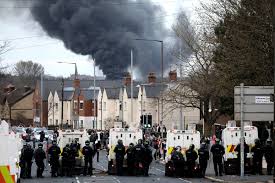

Lasting Wounds from a Summer of Chaos: Report Exposes Health Toll of 2024 Riots
A new report by People’s Health Trust has sounded the alarm on the devastating and enduring impact of the 2024 racially motivated riots that shook communities across England and Northern Ireland. From heightened anxiety to fear of public spaces, the research shows a mental health crisis unfolding—particularly among Muslim women and girls—due to misinformation, systemic inequality, and policy inaction.
Overview of the 2024 Unrest
The Catalyst: A Tragedy in Southport
The violence began after the murder of three young girls in Southport, which quickly triggered racially charged riots following the spread of misinformation online suggesting the perpetrator was an asylum seeker. This baseless claim sparked fear, hate, and ultimately, widespread disorder.
Geographic Spread and Nature of the Riots
The unrest rippled from England into Northern Ireland, particularly affecting marginalized communities already grappling with poor housing, economic instability, and limited public services. Community groups report that the riots were not isolated flare-ups—but the explosion of long-simmering tensions inflamed by disinformation and decades of neglect.
A Crisis Beyond the Streets: The Long-Term Health Impact
Mental Health Fallout
The report, which draws insights from more than 50 grassroots organisations working with tens of thousands of individuals, paints a grim picture. Affected communities reported chronic stress, hyper-vigilance, and deep anxiety. For racialized groups—especially Muslims—the riots didn’t end when the streets cleared. They continue to face hostility, fear, and isolation.
Key Findings:
-
62% of community groups said hate crimes are “likely” or “very likely” to occur again.
-
Increased fear of public spaces, especially for Muslim women.
-
Worsening mental health in children who witnessed or were connected to the riots.
Voices from the Ground
One community arts group from North-West England shared how local children—some of whom were connected to the murdered girls—have since shown signs of trauma. “They now fear interacting outside our project space,” the group reported. “This will definitely be a traumatic childhood experience for them.”
Another case involved an 18-year-old woman who endured racist abuse twice in one week—from adult men—underscoring how widespread and normalized the hostility has become.
Islamophobia and Gendered Racism: A Double Threat
Muslim Women Bear the Brunt
The report emphasizes how Muslim girls and women have been disproportionately impacted. Already targets of intersecting racism, misogyny, and Islamophobia, they now report higher levels of isolation and fear.
This gendered dimension of hate crime is often overlooked, yet its consequences are profound: anxiety, reduced independence, and retreat from public life—particularly for young Muslim women trying to navigate society and education during formative years.
The Call for a Coordinated National Response
Not Just a Health Crisis, But a Governance Failure
John Hume, CEO of People’s Health Trust, made an urgent appeal to UK leaders: “This report lays bare the immediate and longer-term health impacts of racist violence… especially in communities already facing inequality, discrimination, and disinvestment.”
The charity is calling for:
-
A dedicated government strategy to address post-riot trauma.
-
Increased funding for community healing and resilience programs.
-
Policies to combat misinformation—especially on social media.
-
Action to address underlying socioeconomic drivers, including housing, poverty, and austerity.
Ignoring the Root Causes Is Not an Option
“These riots didn’t come out of nowhere,” Hume added. “They were the consequence of years of austerity, systemic neglect, and unchecked online hate.” The report makes it clear: tackling the symptoms without addressing the cause will only lead to further escalation.
What’s Next for Affected Communities?
From Trauma to Recovery
The report closes with a sober reminder: the road to recovery will be long unless institutions act decisively. Community groups play a vital role in offering safe spaces, but they are overwhelmed and underfunded.
Tamsin Hoare, chair of the Kurt and Magda Stern Foundation, said: “We hope the recommendations and powerful calls to action will inspire decisive change… so all communities can feel a true sense of safety and belonging.”
Why This Matters for Business, Government, and Society
-
For policymakers: There is an urgent need for a multi-agency response to both the mental health crisis and the disinformation ecosystem driving unrest.
-
For CEOs and corporate leaders: Community healing is not only a government issue. Brands operating in these areas must step up with resources, advocacy, and inclusive policies.
-
For investors: The social stability of UK communities is a long-term economic issue. Political inaction increases risk across real estate, retail, and public services.
-
For NGOs and foundations: Funding trauma-informed, locally led initiatives can have measurable social return and long-term impact on community cohesion.