
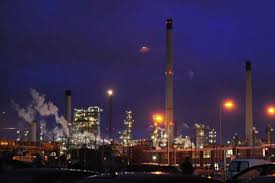

A Crisis at the Heart of Britain’s Energy Infrastructure
The UK government has issued a scathing letter to the billionaire owners of the collapsed Prax Lindsey Oil Refinery, demanding they step up to financially support more than 600 employees whose futures now hang in the balance. With the fate of one of Britain’s last five remaining oil refineries in limbo, ministers are scrambling to prevent a full-blown industrial disaster.
The junior energy minister, Michael Shanks, urged Arani and Sanjeev Kumar Soosaipillai—the husband-and-wife team behind the refinery’s parent company Prax Group—to “do the decent thing” by offering compensation or retraining support to workers impacted by the sudden collapse. His message was blunt: this is no time to flee the scene.
Mass Layoffs and Mounting Debt
100+ Jobs Gone Overnight, Hundreds More at Risk
The collapse hit like a thunderclap. Over 100 fuel tanker drivers lost their jobs on Monday, with more layoffs expected across the 625-strong workforce. The official government receiver now oversees day-to-day operations, keeping the facility afloat while it hunts for a buyer.
But Shanks warned in his letter that salvaging the plant may be “difficult given the state the business has been left in.” The site’s estimated £250 million tax debt to HMRC only underscores how deep the rot goes.
Owners Under Fire as Dubai Escape Sparks Outrage
According to sources, the Soosaipillais left the UK for Dubai just as the refinery was sliding into insolvency—prompting outrage in both Westminster and North Lincolnshire. Public filings and a Guardian analysis suggest the couple took home at least £11.5 million in pay and dividends since purchasing Lindsey from Total for $167 million in 2021.
The government is now urging the couple to make a “voluntary financial contribution” to aid laid-off employees and fund job transition programs, even as prospects for a buyer dim.
Last-Ditch Rescue Hopes as Government Scrambles
Two-Week Deadline for a White Knight Bid
A tight two-week deadline has been set to find a “white knight” investor who could take over the site and preserve at least some jobs. Several parties have expressed initial interest, but sources say enthusiasm may cool fast due to the scale of debts and operational liabilities.
This comes on the heels of another critical UK refinery shutdown—Grangemouth—leaving the country increasingly reliant on foreign fuel imports and tightening its energy security margins.
Supply Chain Disruption Feared, But Ministers Seek to Reassure
Fuel Supply Still ‘Stable,’ Says Energy Department
Despite scenes of panic-buying and petrol station outages in Lincolnshire, the Department for Energy Security and Net Zero insists fuel supply across the UK remains “normal.” The government has stepped in by purchasing fuel directly from Glencore, Lindsey’s supplier, to ensure operations continue during the insolvency process.
A government spokesperson said: “The UK is well supplied with fuel… Our sympathies are with workers, who have been made redundant by Axis Logistics Ltd, part of the Prax Group. These workers are in high demand and we will work to ensure their onward employment.”
How Prax Crashed: From Empire Building to Overleveraged Collapse
Aggressive Acquisitions, Soaring Debt, and Missed Warnings
Multiple insiders have blamed Prax Group’s aggressive expansion strategy for the downfall. After buying Lindsey in 2021, the firm went on a spree—snapping up oilfields in Shetland and retail petrol operations—largely funded by debt.
Despite earlier warnings, ministers said the Soosaipillais personally assured the energy department that the business was secure. That trust has now completely eroded.
A Grim Outlook for Industrial Britain?
The Prax Lindsey collapse raises urgent questions about the fragility of Britain’s industrial base. With just four other oil refineries left, the energy security implications are severe. If the site isn’t rescued soon, the long-term ripple effects on logistics, jobs, and national infrastructure could be stark.
As ministers continue their talks with potential buyers and unions, the message from Westminster is clear: the owners may have exited—but the responsibility hasn’t.