
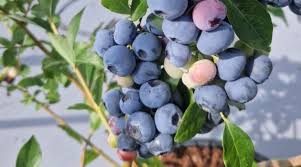

Britain’s Blueberry Bonanza: Record Spring Spurs 25% Surge in Harvest and Sales
The UK’s fruit industry is enjoying a standout year, with blueberries leading a record-breaking berry boom following the warmest spring on record. With improved weather, advanced farming technology, and booming demand, British growers are projecting a near 25% surge in blueberry yields — positioning the UK as a rising force in Europe’s soft fruit market.
According to industry data, this year’s blueberry harvest is expected to reach 5,133 tonnes by the end of August, up significantly from 4,187 tonnes in the same period last year. The season is running nearly two weeks ahead of schedule, with growers celebrating both the quality and volume of the crop.
Early Ripening, Bigger Berries, Stronger Demand
Optimal Weather Conditions Deliver a Stellar Crop
Daniel Martin, Group Commercial Director at S&A Produce, one of the UK’s largest fruit growers, attributes this year’s success to high light levels and low rainfall in the spring. These near-perfect conditions led to:
-
Earlier ripening
-
Larger fruit sizes
-
More consistent harvests
“This blueberry season has seen a really positive early start,” said Martin. “We are optimistic about the season and expect to see excellent flavour and shelf life from this year’s crop.”
This optimism is translating to consumer demand. Sales of blueberries are already up 9% year-on-year, driven by growing awareness of their health benefits and the availability of high-quality, locally grown fruit.
Technology Takes Root: Automation Enhances Efficiency
Robots Start to Share the Picking Load
One of the biggest shifts in the 2025 harvest has been the introduction of robotic harvesting technology. While blueberries are among the easiest soft fruits to automate, they still require a hybrid approach.
Hall Hunter, one of the UK’s leading blueberry producers, reports that 10% of their crop is now picked by machines — a number set to rise to 30% by next year.
“When it comes to robotic fruit picking, we’re seeing steady and encouraging progress,” said Jim Floor, Managing Director at Hall Hunter. “But for more delicate crops like strawberries or raspberries, hand-picking remains essential — at least for now.”
Automated systems are helping to reduce reliance on seasonal labour, a critical advantage in a tight workforce environment. The use of technology also supports cost reduction, better yield predictability, and longer operational windows, giving UK growers a competitive edge against imports.
A Berry Good Year for the Entire Soft Fruit Sector
Strawberries, Raspberries, Blackberries All Benefit from Warm Spring
The blueberry bumper crop follows a “blockbuster” season for strawberries, which saw a glut of fruit as early as May. Growers reported giant strawberries weighing up to 50g, with an average fruit size around 30g.
Nick Marston, Chair of British Berry Growers, said all soft fruit crops — including strawberries, raspberries and blackberries — have benefitted from “cracking weather” in June, which helped speed ripening after a cooler early spring.
“The weather has been very beneficial for all berry crops,” said Marston, noting that overall yields for these fruits are also up by approximately 25% so far this year.
However, he also cautioned that the final season tally is not yet guaranteed. Some of the increase may be due to early harvesting, which could lead to a drop-off in late-season volumes, depending on July and August weather conditions.
What This Means for Retailers and Consumers
Health Trends and Homegrown Advantage Drive Sales
The increased availability of local berries is not only good news for farmers — it also benefits UK supermarkets and health-conscious consumers. With shorter supply chains, fresher fruit, and improved shelf life, British-grown berries are increasingly preferred over imports.
Retailers are also capitalizing on the moment by:
-
Expanding in-store promotions for British berries
-
Highlighting “grown in the UK” tags to tap into national pride
-
Riding the wave of demand for antioxidant-rich superfoods like blueberries
With health and sustainability top-of-mind for modern consumers, UK blueberries are hitting the sweet spot on every front.
Climate Change: A Double-Edged Sword?
Warmer Springs Help Crops — But At What Cost?
While this year’s spring warmth has boosted yields, the bigger climate picture is complex. Warmer temperatures, less rain, and longer growing seasons can increase productivity in the short term — but also bring long-term unpredictability.
Industry leaders are watching closely to see how changing climate patterns affect everything from pollination cycles to pest migration and water usage.
As such, growers are investing not only in automation, but also in:
-
Drought-resistant crop varieties
-
Sustainable irrigation systems
-
Advanced greenhouse technologies
These investments reflect a growing understanding that agricultural resilience is now just as important as yield.
A “Superfood Super Season” for British Berries
The UK’s blueberry boom is more than just a seasonal success — it reflects deep trends in agriculture, technology, and consumer behavior. From the rise of robotic farming to changing weather patterns and the growing appeal of locally grown health foods, the 2025 berry season is a case study in modern farming evolution.
With blueberries leading the charge and strawberries, raspberries, and blackberries close behind, UK soft fruit growers are redefining what’s possible when climate conditions, innovation, and consumer demand align.
And as robotic arms and sun-kissed fields join forces, it’s safe to say: the future of British fruit is ripe and ready.